The 'Eierhaus' Affair: Decoding the Google Maps Protest Against CDU
In a curious blend of digital activism and political satire, several business offices belonging to Germany's Christian Democratic Union (CDU) and its Bavarian sister party, the Christian Social Union (CSU), unexpectedly found themselves rechristened on Google Maps. The new names, predominantly variations of "Eierhaus" (Egg House) or "Eierladen" (Egg Shop), emerged as a nationwide protest, sparking a mix of amusement, bewilderment, and criticism across the political landscape. This unusual incident, where a CDU business office was renamed, highlighted not only the evolving tactics of political dissent but also the inherent vulnerabilities of crowdsourced digital platforms.
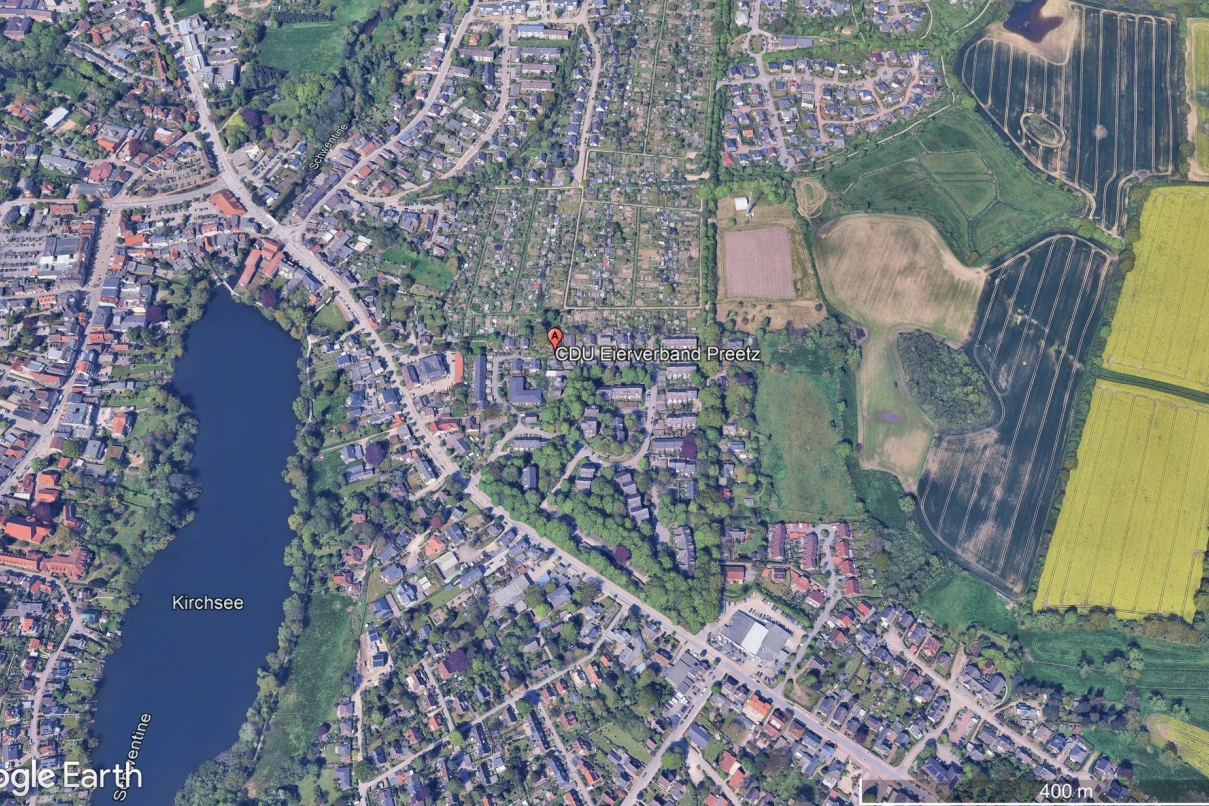
The sudden appearance of these whimsical monikers, which included specific adaptations like "CDU Eierverband" (CDU Egg Association) in Eisleben and "rehbraunes Eierhaus" (deer-brown Egg House) for a Nordsachsen branch, quickly drew public attention. While the literal translation "Egg House" might seem benign, in German slang, "Eier" can carry a more provocative, albeit still humorous, connotation, often used to refer to testicles. This added a layer of cheeky defiance to the protest, transforming official party premises into symbols of playful disrespect. The affair underscores a growing trend where digital tools become arenas for expressing political dissatisfaction, often with creative and unconventional approaches that traditional protest methods might not permit.
The Genesis of the "Eierhaus" Phenomenon: A Digital Declaration
The "Eierhaus" affair wasn't an isolated incident but a coordinated digital strike that swept across numerous federal states. From Saxony, Thuringia, and Saxony-Anhalt to Berlin and beyond, CDU/CSU locations were targeted. Notable sites impacted included the CDU offices in Eisleben and Delitzsch, as well as the regional parliament (Landtag) in Dresden, which briefly appeared under a new, unofficial designation. The consistency in the "egg-themed" renaming strongly suggested a single, or at least highly coordinated, origin.
The alleged mastermind behind the operation quickly came forward. An activist operating under the handle "saftsackbeats" claimed responsibility on platforms like Instagram and Threads. Their stated intention was to create a "small smile in these dark times" through protest against the Union. This sentiment reflects a desire to inject humor and lightheartedness into political critique, potentially as a way to engage a broader audience or to soften the blow of political dissent. However, beneath the surface of humor lay a deeper, more pointed message, echoing recent tensions between the youth and the ruling party.
From Local Grumbles to a Digital Uprising: The Spark Behind the Protest
While "saftsackbeats" articulated a general grievance against the Union, the timing and nature of the protest strongly hinted at a specific underlying catalyst. Reports linked the "Eierhaus" renaming directly to an earlier incident involving a student protest. In early March in Berlin, an 18-year-old student held a placard bearing the slogan "Merz leck Eier" (Merz lick eggs), referring to CDU chairman Friedrich Merz. This act led to a police investigation against the student on suspicion of defamation, raising questions about freedom of expression and the limits of political satire in Germany.
The "Eierhaus" campaign can be seen as a direct, albeit indirect, response to this perceived overreach. By renaming the offices to "Eierhaus," the activists cleverly amplified the original message in a decentralized, harder-to-control manner, circumventing traditional legal avenues and using digital tools to their advantage. Furthermore, some sources suggested a connection to ongoing debates about the reintroduction of conscription (Wehrpflicht) in Germany, a policy often associated with the CDU's platform. This context suggests the "Eierhaus" protest was not merely random vandalism but a nuanced, multi-layered critique against specific policies and the perceived stifling of dissent, making the main keyword cdu geschäftsstelle umbenannt particularly relevant in understanding the digital backlash.
Unpacking Google Maps' Vulnerability: A Double-Edged Sword
The success of the "Eierhaus" campaign brought into sharp focus a significant vulnerability in Google Maps' widely used platform. Google Maps prides itself on its comprehensive, user-generated content model, which allows anyone to suggest edits to place names, addresses, and business details via the "Edit Map" function. While this crowdsourcing approach generally ensures up-to-date and accurate information, it also creates an avenue for misuse, as demonstrated by the CDU office renamings.
According to reports, Google Maps initially adopted many of these suggested changes automatically, without immediate manual verification. This automation, designed for efficiency, allowed the "Eierhaus" names to propagate quickly before Google's review mechanisms could catch up. The incident highlighted a critical flaw: the balance between leveraging community contributions and maintaining data integrity. While Google typically relies on algorithms and a vast network of local guides to verify changes, a coordinated effort can exploit this system. For organizations, this incident serves as a stark reminder of the importance of actively monitoring their online presence, particularly their Google My Business listings. To prevent similar incidents, businesses and political parties must regularly check their information and be prepared to report fraudulent changes swiftly. For more on this, check out our piece on Google Maps Vulnerability: How 'Eierhaus' Renamed CDU Offices.
The Broad Spectrum of Reactions: Political Responses and Public Discourse
The reactions to the "Eierhaus" affair were as varied as the political landscape itself. On one hand, some CDU officials expressed strong disapproval, viewing the renaming as a form of digital vandalism or even defamation. This perspective emphasized the disruption caused and the potential for misinformation, particularly for constituents trying to locate official party branches. However, other CDU representatives adopted a more tempered, almost dismissive, stance. For instance, the CDU state association in Saxony-Anhalt downplayed the incident, stating their focus remained on upcoming state elections and political campaigning. This approach suggested an attempt to deny the protest any legitimacy or significant impact, hoping it would fade from public memory quickly.
Outside of official party lines, public discourse was lively. Many found the protest amusing, appreciating the cleverness and humor of the "Eierhaus" concept. It sparked conversations about the effectiveness of unconventional protests and whether such digital pranks could genuinely influence political discourse. Critics, however, questioned the efficacy of such tactics, arguing that while they might generate temporary buzz, they lacked the substantive impact of traditional forms of activism. The affair opened a broader debate on what constitutes legitimate protest in the digital age and how political entities should respond to such challenges.
The Ethics of Digital Activism: When Does a Protest Cross the Line?
The "Eierhaus" affair is more than just a Google Maps prank; it's a fascinating case study in the evolving landscape of digital activism. It prompts us to consider the ethical boundaries of online protest and where humor ends and malicious intent begins. While the activists clearly aimed for a "small smile," the act of altering official information, even if temporarily, touches upon issues of misinformation and digital integrity. Is it merely a harmless jest, or does it contribute to a culture of online disrespect and potential digital vandalism?
From an ethical standpoint, the debate revolves around intent versus impact. If the intent is to draw attention to a political grievance through satire, and the impact is temporary and non-damaging, many might view it as a legitimate form of expression. However, if such actions disrupt essential services, cause financial harm, or spread outright falsehoods, they clearly cross a line. For organizations, the incident is a powerful reminder to safeguard their digital footprint. Practical advice includes:
- Monitor Your Listings: Regularly check your Google My Business and other online directory listings for unauthorized changes.
- Claim and Verify: Ensure all your official locations are claimed and verified on Google My Business to gain more control over edits.
- Enable Alerts: Set up Google Alerts or similar services to be notified of mentions of your organization, including unexpected changes to your online profiles.
- Educate Your Team: Ensure staff know how to report incorrect information on digital platforms quickly.
- Have a Rapid Response Plan: Be prepared to address and rectify online inaccuracies swiftly and transparently.
Ultimately, the "Eierhaus" protest, while amusing to many, highlights a critical juncture for both digital platforms and political entities. It forces platforms to refine their moderation policies and organizations to bolster their digital defenses, all while sparking a public conversation about the power and pitfalls of digital dissent in a connected world.
The 'Eierhaus' affair serves as a compelling example of how digital tools can be repurposed for political expression, challenging traditional notions of protest and accountability. While Google Maps swiftly corrected the altered names, the message of the "saftsackbeats" campaign resonated, demonstrating the potential for creative and humorous forms of dissent to capture public attention and spark critical conversations about politics, free speech, and the digital landscape. As the boundaries between the physical and digital worlds continue to blur, such incidents are likely to become more frequent, requiring nuanced responses from all stakeholders.